Search
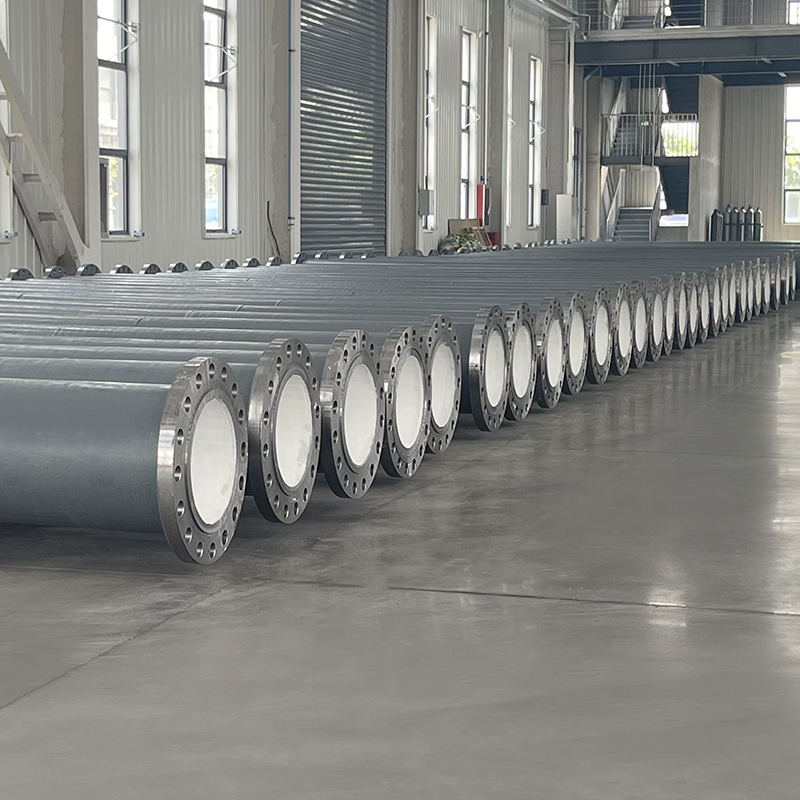
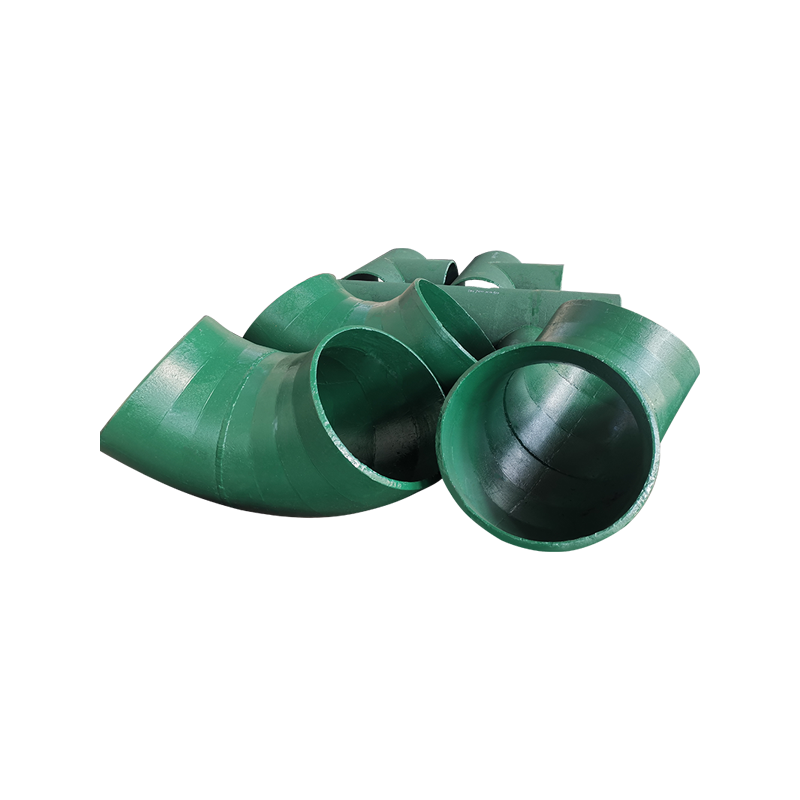
The Adhesive ceramic wear-resistant pipe generally provides superior long-term inner wall smoothness and more stable flow efficiency compared with plastic-lined steel pipes, especially in abrasive slurry and high-velocity transport systems. While both systems initially offer smooth hydraulic surfaces, the ceramic structure maintains its low roughness far longer due to its extreme hardness and wear resistance.
In practical industrial usage, the Adhesive ceramic wear-resistant pipe typically maintains a roughness coefficient (Ra) around 0.2–0.4 μm even after extended operation, while plastic-lined steel pipes may start similarly smooth but degrade to 0.8–1.5 μm as surface wear, micro-scratches, and deformation occur. This directly results in lower long-term pressure loss and improved pumping efficiency for ceramic-lined systems.
Compared with both abrasion resistant pipe systems and abrasion resistant steel pipe designs, adhesive ceramic solutions provide a more stable hydraulic profile over time, making them particularly suitable for continuous heavy-duty conveying environments.
Inner Wall Roughness and Hydraulic Resistance Characteristics
Inner wall smoothness is one of the most critical parameters affecting flow efficiency. In both laminar and turbulent flow regimes, surface roughness directly influences friction coefficient and pressure drop. The Adhesive ceramic wear-resistant pipe achieves extremely low surface roughness due to its high-density alumina ceramic layer.
Initial Performance Comparison
At the time of installation, both systems perform well:
- Adhesive ceramic wear-resistant pipe: Ra approximately 0.2–0.3 μm
- Plastic-lined steel pipe: Ra approximately 0.3–0.5 μm
- abrasion resistant steel pipe: Ra approximately 0.5–1.0 μm depending on coating quality
Although plastic liners may appear competitive initially, they are more vulnerable to deformation under temperature variation and particulate impact, which gradually increases hydraulic resistance.
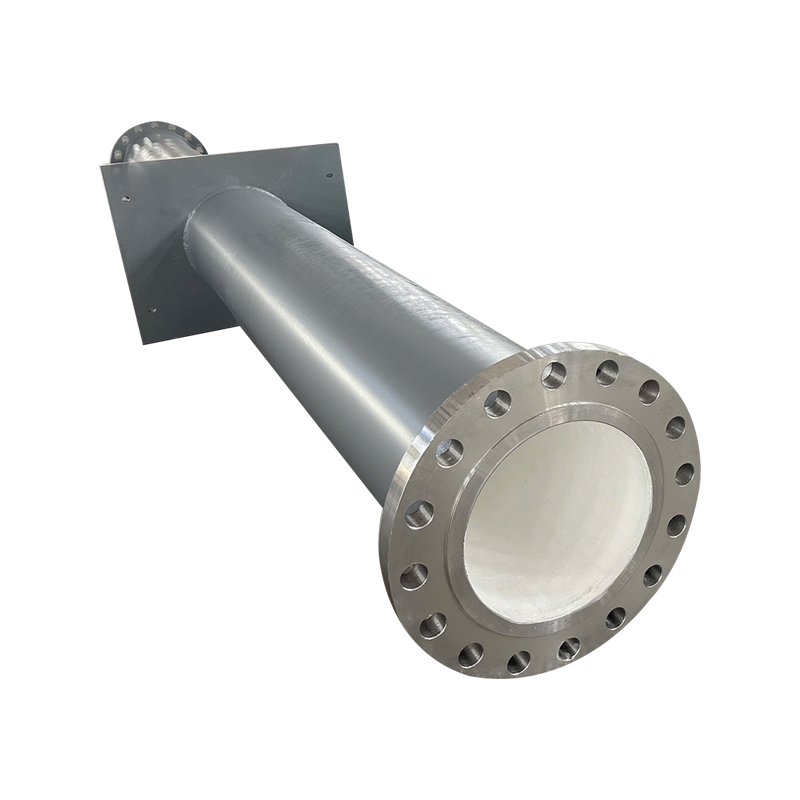
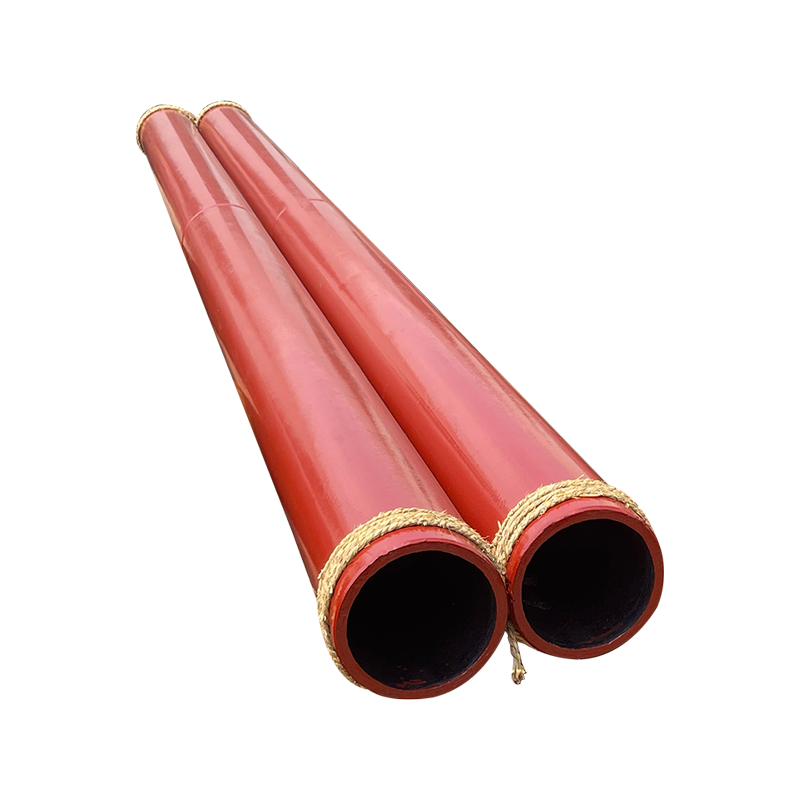
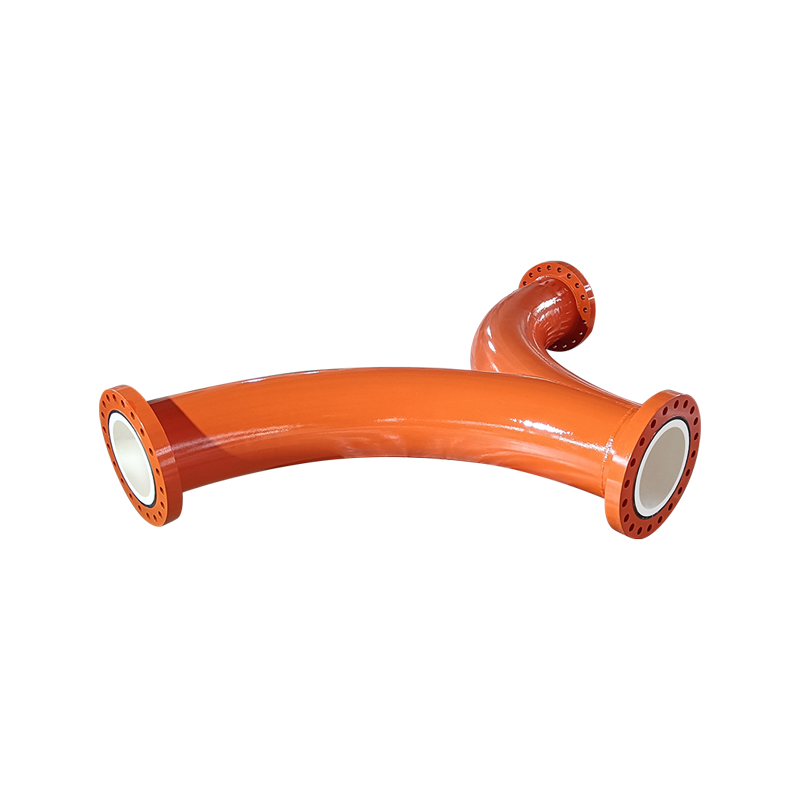
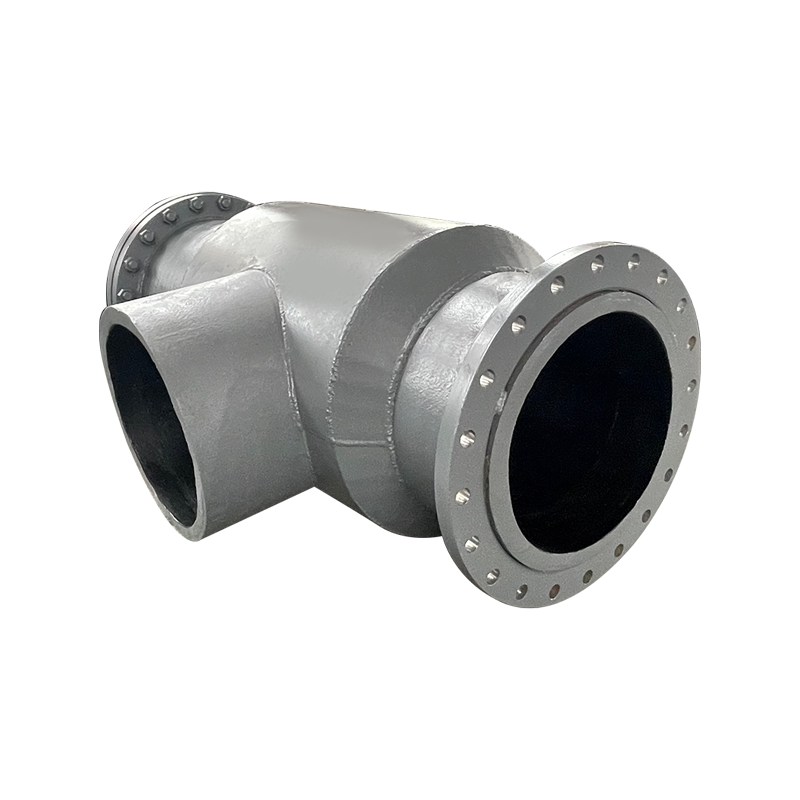
Adhesive ceramic wear-resistant pipe
Material Structure and Its Impact on Flow Efficiency
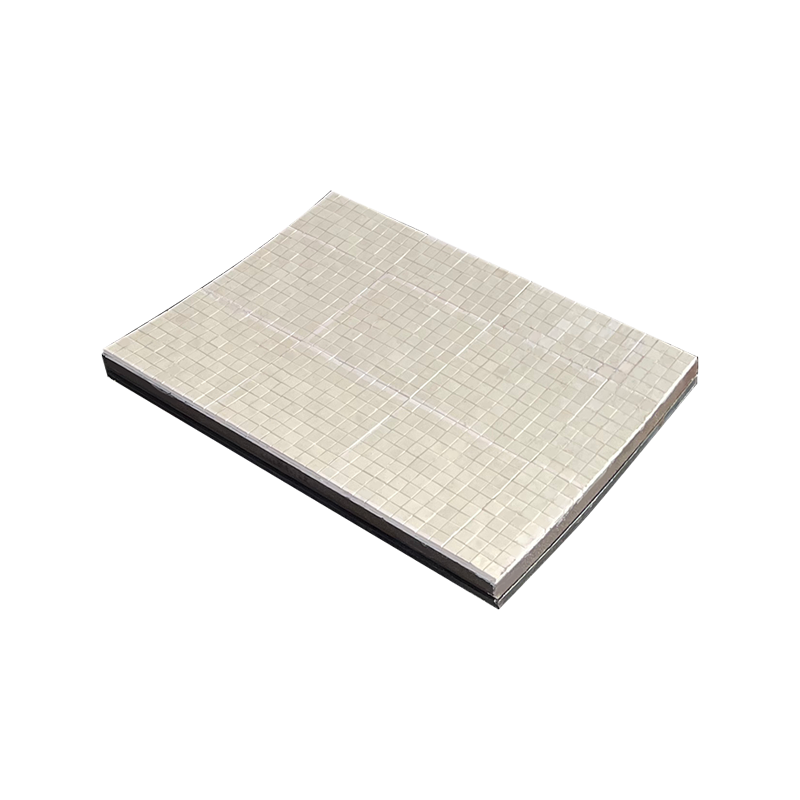
The structural difference between ceramic and plastic lining systems significantly influences long-term hydraulic performance. The Adhesive ceramic wear-resistant pipe uses a rigid alumina ceramic layer bonded to a steel substrate, creating a stable and erosion-resistant inner surface.
In contrast, plastic-lined steel pipes rely on polymer materials such as polyethylene or epoxy-based coatings, which provide smoothness but lack rigidity. Under high flow velocity or abrasive particle impact, these layers may suffer from surface scoring or localized deformation.
Hydraulic Behavior Differences
- Ceramic lining maintains geometry under stress, keeping flow channels stable.
- Plastic lining may develop waviness or micro-roughness under erosion.
- abrasion resistant pipe systems with ceramic lining show more consistent Reynolds number behavior over time.
This structural stability is the main reason why ceramic systems outperform in long-distance slurry transport applications.
Long-Term Wear and Efficiency Degradation
One of the most important distinctions between these two pipe types lies in how they degrade over time. The Adhesive ceramic wear-resistant pipe exhibits extremely slow wear rates due to the hardness of alumina ceramics, typically above HRA 85.
Plastic-lined steel pipes, however, are prone to gradual erosion, especially in systems transporting sand, ash, or mineral slurry. Once surface wear begins, friction increases and flow efficiency declines faster than in ceramic systems.
Observed Efficiency Degradation Trends
- Ceramic-lined systems: efficiency reduction <5% over long service cycles
- Plastic-lined systems: efficiency reduction may reach 10–20% depending on slurry aggressiveness
- abrasion resistant steel pipe: intermediate degradation behavior depending on alloy composition
Industrial Application Scenarios and Practical Performance
In industries such as mining, coal processing, and power plant ash handling, flow efficiency stability is essential for reducing pumping energy consumption. The Adhesive ceramic wear-resistant pipe is widely selected for high-solid-content slurry systems where consistent hydraulic performance is required.
Plastic-lined steel pipes are more commonly used in less aggressive environments, such as low-abrasion water transport or mild chemical conveying. When exposed to heavy particulate flow, their inner wall condition deteriorates faster, increasing operational costs.
Typical Application Comparison
- Ceramic pipe: mining slurry, tailings transport, ash discharge systems
- Plastic-lined pipe: clean water systems, mild chemical transport
- abrasion resistant pipe systems: mixed industrial abrasive environments
Comparative Performance Table
| Performance Factor | Adhesive Ceramic Wear-Resistant Pipe | Plastic-Lined Steel Pipe |
|---|---|---|
| Initial Roughness (Ra) | 0.2–0.3 μm | 0.3–0.5 μm |
| Long-Term Stability | Very High | Medium to Low |
| Flow Efficiency Retention | >95% | 80–90% |
| Wear Resistance | Excellent | Moderate |
The Adhesive ceramic wear-resistant pipe demonstrates consistently better inner wall smoothness retention and flow efficiency stability compared to plastic-lined steel pipes. While both systems can achieve low initial roughness, only the ceramic-lined structure maintains this performance under long-term abrasive and high-velocity conditions.
For systems requiring high durability, stable hydraulic performance, and reduced long-term pumping costs, ceramic-based abrasion resistant pipe solutions remain the more reliable engineering choice compared with conventional plastic-lined alternatives and many abrasion resistant steel pipe configurations.